
Did you know a well-optimized dental website can boost patient bookings by up to 30%? In today’s competitive dental world, having a website is just the beginning. The real challenge is turning those visitors into booked appointments.
As a dental practice owner, you know how vital a strong online presence is. But having a website alone isn’t enough. You must ensure your site is optimized to maximize conversions, turning visitors into patients. This is where Conversion Rate Optimization (CRO) comes in.
Triaza Dental specializes in helping dental practices like yours improve their online presence and boost patient bookings through effective CRO strategies. By improving your website’s design, content, and user experience, you can significantly increase booked appointments.
It’s key to know how to turn website visitors into booked appointments. Conversion Rate Optimization (CRO) aims to boost the number of visitors who take a desired action, like booking an appointment.
CRO is vital for dental practices. It helps them get more value from their website. By making their website better for conversions, dental practices can get more online appointments. This means they spend less on marketing.
For more tips on making your dental website better, check out Dental Website Optimization.
The journey from website visit to appointment has several stages. These include becoming aware, considering, and deciding. Knowing this journey helps find where patients might leave and how to keep them.
Dental practices should watch their conversion rate, bounce rate, and average session time. These metrics show where to improve. By using A/B testing and conversion tracking, practices can see what works best.
By grasping and using these basics, dental practices can greatly increase their website’s conversion rates. This leads to more appointments and more revenue.
Knowing how well your dental website converts visitors into patients is key. It helps attract new patients and grow your practice. In today’s competitive dental market, optimizing your website for conversions is essential.
Dental websites often face low conversion rates, usually between 1% and 3%. To do better, dental practices need to see how their site stacks up against these standards.
Several common issues can block conversion rates on dental websites. These include:
Tools like heatmaps can spot areas for improvement. For example, a dentist used heatmaps to find out why patients were struggling with their appointment form. This led to a big improvement.
Poor conversion rates can hurt a dental practice’s finances. For instance, a site with 1,000 visitors a month and a 1% conversion rate misses out on patients. This is compared to a site with a 3% conversion rate.
Boosting conversion rates through form optimization and other strategies can really help your practice’s finances.
To get more people to book appointments, dental sites need key elements. A good dental website is more than looks. It guides visitors smoothly from first visit to appointment.
Your website should clearly show the value of your services. Create content for each service, like cosmetic dentistry, dental implants, and family dentistry. Experts say clear value propositions are key to getting more patients.
Trust is key when patients decide where to go. Your site should have patient testimonials and reviews. Trust badges, like certifications, also help build your reputation.
More people use mobiles to find dental services. Your site must be mobile-friendly. It should be quick to load and easy to use for online scheduling dental appointments.
Page speed is vital for a good user experience. A slow site can scare people away. Make your site fast by optimizing images and using browser caching.
| Element | Description | Impact on Conversion |
|---|---|---|
| Clear Value Propositions | Communicates the value of dental services clearly | High |
| Trust Signals | Builds credibility through testimonials and trust badges | High |
| Mobile Optimization | Ensures a seamless experience across devices | Medium |
| Page Speed | Improves user experience by loading quickly | High |
By focusing on these key elements, you can boost your dental website’s conversion rate. This means more visitors will book appointments.
Optimizing your online scheduling system makes booking appointments easier for patients. A smooth process boosts patient happiness and your practice’s efficiency.
For dental booking forms, keep it simple. Only ask for the basics like name, contact info, and preferred time. Less is more to make booking quicker and simpler.
It’s important to make scheduling easy to boost your conversion rates. Show real-time availability for slots. This lets patients pick the best time for them.

Linking your online scheduling with practice software makes things smoother. It prevents double-bookings and scheduling issues.
Showing real-time availability helps patients find good times fast. This reduces the chance they’ll give up.
Automated emails and reminders cut down on no-shows. They make sure patients remember their appointments and can reschedule if needed.
By using these tips, you can make your online scheduling better. This will help engage patients more and boost your dental practice’s success.
Effective call-to-actions (CTAs) are key to turning website visitors into dental appointments. A well-made CTA can boost conversion rates by guiding visitors to take action.
Place CTAs in high-traffic areas like the homepage and service pages. Make sure they’re easy to see without needing to scroll too much.
The design and words of your CTAs are vital. Use language that encourages action. Make them stand out with contrasting colors and clear fonts.
A/B testing is key to finding the best CTA design and words. It helps you see which CTAs your audience likes best.
When A/B testing, try different things like color, text, size, and where they are. Even small changes can make a big difference.
When you analyze your A/B test results, look for big differences in how well each CTA works. This will show you which one is better.
By using effective CTAs and always testing and improving them, dental practices can get more patients. This makes their website more effective.
Chatbots and live chat are key for dental practices today. They help qualify leads and turn them into booked appointments. These tools boost patient engagement and make communication smoother.
Chatbots are great at qualifying dental leads. They ask the right questions and answer patient inquiries quickly. This makes patients happier and helps your practice focus on the best leads.
“Chatbots can help dentists qualify leads and improve conversion rates by providing timely and relevant information to patients.”
Automated responses tackle common questions like office hours and insurance. They save time and make sure patients get the info they need fast.

Automation is key for efficiency, but keeping a human touch is also vital. Make sure your chatbot knows when to pass on complex issues to a real person. Experts say,
“The key to successful chatbot implementation is finding the right balance between automation and human interaction.”
Linking chat with your scheduling system makes things easier for patients. They can book appointments right from the chat, making it simpler and boosting conversions.
Using chatbots and live chat makes your dental practice more patient-focused. It leads to more conversions and growth.
To boost your dental practice’s online presence, focus on creating landing pages that convert. These pages should grab visitors’ attention and guide them to book an appointment.
Service-specific landing pages help you meet different patient needs. For example, you can have separate pages for cosmetic dentistry, dental implants, and family dentistry. This way, you can tailor your messages and make your content more relevant.
When designing these pages, consider the following:
Improving your landing page elements is key to boosting conversions. Let’s look at some important elements to focus on.
Your headline should grab attention and clearly state the value. Use subheadings to highlight key benefits. For example:
“Transform Your Smile with Our Expert Cosmetic Dentistry Services”
This headline is direct and appealing, making it more likely to grab the visitor’s attention.
Visual proof of your work can be very persuasive. Including before and after images can build trust and show the quality of your services.
Patient testimonials and reviews are key for credibility. Show positive feedback from happy patients to reassure others about your services.
When using landing pages in dental PPC campaigns, make sure the messaging matches the ad copy. Here are some best practices:
By following these strategies, you can greatly improve your dental landing pages’ performance and boost conversions.
To take your dental website to the next level, you need advanced conversion rate optimization techniques. These strategies help you understand your patients’ behavior and fix usability issues. They also increase conversions.
Heatmaps are a powerful tool for understanding how visitors interact with your dental website. They show you where visitors click and where they struggle. This helps you make your website better and boost conversions.
For example, if a heatmap shows visitors clicking on non-clickable elements, you can turn them into CTAs.
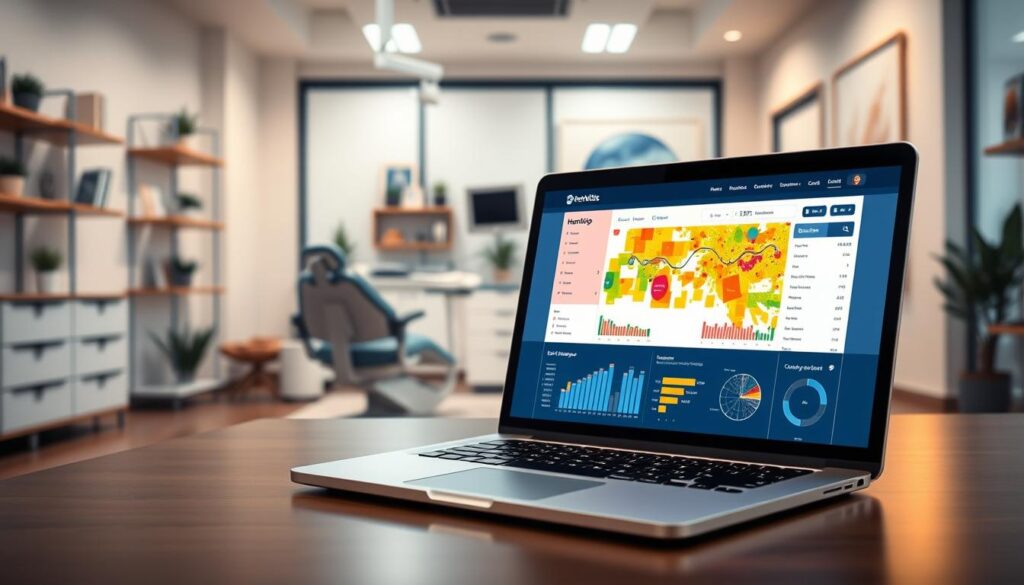
User recording tools give you insights into how real users navigate your website. By analyzing these recordings, you can find usability issues that hurt conversions. Issues like confusing navigation and slow loading times are common.
Fixing these problems makes your website more user-friendly. This encourages visitors to book appointments.
Conversion funnel analysis is key to understanding the patient journey. It shows where visitors drop off and how to improve those areas. This might mean simplifying forms or improving page load times.
Personalization is essential for a tailored experience. By using patient demographics, you can customize content and offers. This makes your website more relevant to different audiences.
For example, you might create specific landing pages for different dental services. Or target different age groups with relevant promotions.
Retargeting campaigns help you reconnect with interested visitors. By showing targeted ads, you remind them about your practice. This encourages them to return to your website and book an appointment.
By using these advanced CRO techniques, you can improve your website’s conversion rates. This attracts more patients to your practice.
To boost your dental practice’s online presence, it’s key to track and enhance your Conversion Rate Optimization (CRO) outcomes. Good CRO means understanding how visitors use your site and finding ways to get better.
Starting with the right conversion tracking is vital. Use tools like Google Analytics to watch important metrics. These include bookings, form submissions, and newsletter sign-ups.
After setting up tracking, analyze the data to find areas to improve. Look at how users behave, like bounce rates and session length. This helps spot where visitors leave your site.
Continuous testing and optimization are key to better CRO results. Run A/B tests on your site’s elements, like calls to action and landing pages. This helps find what works best.
To see how well your CRO efforts pay off, calculate the Return on Investment (ROI). Compare the costs of CRO work to the revenue from more conversions.
If boosting CRO on your own is tough, think about hiring pros. Experts can offer insights and advanced strategies to lift your site’s conversion rate.
Improving your dental website is key in today’s competitive world. By using effective strategies, you can boost your online presence and draw in more patients.
Good CRO can change your dental practice for the better. It helps increase bookings and grows your patient base. This way, you can make more money.
Now, you know the basics and advanced ways to improve your website. It’s time to start using these tips. This will help you stay ahead and meet your growth goals.
Start making changes to your dental practice today. Get a free dental marketing audit from Triaza Dental. Find out how to make your website better and attract more patients.